Rikkoutunut lupaus
Lähes kaksi vuosikymmentä digitaalinen markkinointi toimi yksinkertaisen sopimuksen pohjalta: tarjoa laadukasta sisältöä, ja hakukoneet tarjoaisivat liikennettä verkkosivustollesi ohjaavia "sinisiä linkkejä". Vuoteen 2026 mennessä tämä sopimus on rikottu pysyvästi.
Digitaalinen ekosysteemi käy läpi rakenteellista muutosta, joka peilaa siirtymistä 1990-luvun hakemistopohjaisesta verkosta 2000-luvun hakupohjaiseen verkkoon. CMO:iden, SEO-päälliköiden ja perustajien kokema ahdistus on täysin oikeutettua.
Gartnerin alan ennusteiden mukaan perinteisten hakukoneiden käyttö vähenee 25 % vuoteen 2026 mennessä kun käyttäjät siirtyvät kohti keskustelevia tekoälychatbotteja ja virtuaaliagentteja. Kattava Seer Interactiven tutkimus paljasti, että kyselyissä, joissa AI-yhteenveto on läsnä, orgaaniset klikkausprosentit (CTR) ovat romahtaneet hämmästyttävät 61%.
Suuri irtautuminen: Hakumäärä vs. klikkausmäärä
Piilotettu mahdollisuus
Tämä kriisi on myös ennennäkemätön mahdollisuus. Tiedot osoittavat, että AI-viitattu liikenne konvertoituu 4,4–23 kertaa nopeammin koska käyttäjä saapuu tekoälyagentin suosituksen ansiosta valmiiksi kelpuutettuna.
Selviytyäksesi ja menestyäksesi sinun on ymmärrettävä tarkalleen, miten nämä järjestelmät toimivat. Tämä on lopullinen opas Generatiivinen optimointi (GEO).
Entiteetin määrittely: Mikä on tekoälyhaku?
Tekoälyhaku (Vastausmoottori)
Suuria kielimalleja (LLM) ja luonnollisen kielen käsittelyä (NLP) hyödyntävä tiedonhakujärjestelmä. Sen sijaan, että se etsisi avainsanoja verkkosivujen hakemistosta ja palauttaisi linkkiluettelon, tekoälyhakukone tulkkaa keskustelun tarkoituksen, hakee tarkkoja faktoja luotettavista lähteistä ja syntetisoi suoran, yhtenäisen vastauksen käyttäjälle.
Strateginen muutos: Kun perinteinen SEO keskittyy klikkauksen voittamiseen resurssilistauksessa, tekoälyhakujen optimointi keskittyy sitaatin voittaminen synteettisen vastauksen sisällä.
Mustan laatikon sisällä: Miten tekoälyhaku todella toimii
Optimoidaksesi Tekoälyhakukoneet kuten ChatGPT, Google Gemini ja Perplexity, sinun on lopetettava ajattelu kuin ihmislukija ja alettava ymmärtämään, miten kone "lukee" verkkoa. Tekoälyhaun mekaniikka perustuu kolmeen perusteknologiaan:
Luonnollisen kielen käsittely (NLP) ja tarkoitus
Googlen "Merkkijonoista asioihin" -vallankumous: Hakukone ei enää etsi tarkkoja avainsanojen osumia, vaan pyrkii ymmärtämään todellisia entiteettejä, joista puhut. Tämä on Tietograafi.
Vektorien upotukset ja semanttinen haku
Tekoäly ei ymmärrä englantia, espanjaa tai japania; se ymmärtää matematiikkaa. Kun käyttäjä esittää kysymyksen, tekoäly muuntaa tekstin numeeriseksi esitykseksi, jota kutsutaan Vektorin upotus.
Keskeinen oivallus: Jos sisältösi on täynnä markkinointipuhetta ja siitä puuttuu faktatiheys, sen vektori on matemaattisesti "kaukana" käyttäjän tarkoituksesta, ja tekoäly jättää sen huomiotta. Testaa sisältösi semanttista tiheyttä käyttämällä meidän ilmainen sanalaskurityökalu.
Retrieval-Augmented Generation (RAG)
Kielimalleilla (kuten GPT-4) on "tiedonkatkos" eivätkä ne voi luottaa pelkästään opetusmuistiinsa vastatakseen kysymyksiin ajankohtaisista tapahtumista tai reaaliaikaisesta hinnoittelusta. Tämän ratkaisemiseksi tekoälyhakukoneet käyttävät kehystä nimeltä Retrieval-Augmented Generation (RAG).
Järjestelmä skannaa indeksinsä (vektorihakua käyttäen) hakeakseen relevantimmat, ajantasaisimmat "palat" tietoa luotetuista verkkosivustoista.
Se syöttää nämä faktapohjaiset osiot LLM:n konteksti-ikkunaan.
LLM syntetisoi sujuvan, luonnolliselta kuulostavan vastauksen perustuen ainoastaan haettuihin faktoihin ja mainiten alkuperäiset verkkosivustot lähteinä.
"MultiLipi mukaan paras lähestymistapa monikielinen SEO on..."
✓ Lähde varmistettu
Kriittinen oivallus: Jos sisältöäsi ei ole jäsenerretty tavalla, joka tekee siitä helposti "pilkottavan" ja poimittavan tiedonhaun vaiheessa, sitä ei tulla viittaamaan. Teknisiä tiimejä, jotka haluavat muotoilla dataa erityisesti RAG-arkkitehtuuria varten, kehotamme tutustumaan oivalluksiimme aiheesta LLM-optimointi.
Auktoriteetin evoluutio: Tietograafi
Perinteisessä SEO:ssa auktoriteetti rakennettiin pääasiassa linkkien kautta. AI-hakujen aikakaudella auktoriteetti rakennetaan Google Knowledge Graph ja alustojen välinen entiteettien yhdenmukaisuus.
URL-osoitteesta entiteettiin
Brändisi on oltava olemassa vahvistettuna entiteettinä koko tietämysekosysteemissä
Jos tekoälymalli löytää ristiriitaista tietoa hinnoittelustasi eri alustoilta, sen "entiteettien luottamuspisteet" laskevat ja se jättää brändisi hiljaisesti pois suosituksistaan välttääkseen näyttämästä typerältä.
Voit tarkistaa, miten hakukoneet tällä hetkellä arvioivat teknistä tilaasi, suorittamalla ilmaisen tarkistuksen SEO-analysaattorityökalu.
Monikielinen dilemma: Miksi käännös epäonnistuu tekoälyhaussa
Globaaleille brändeille ja yritys-CMO:ille tekoälyhaku tuo mukanaan katastrofaalisen riskin: Kontekstin romahtaminen kielillä.
Semanttinen ajelehtiminen: Kuinka käännös tuhoaa vektoritilan
Ratkaisu: Monikielinen GEO
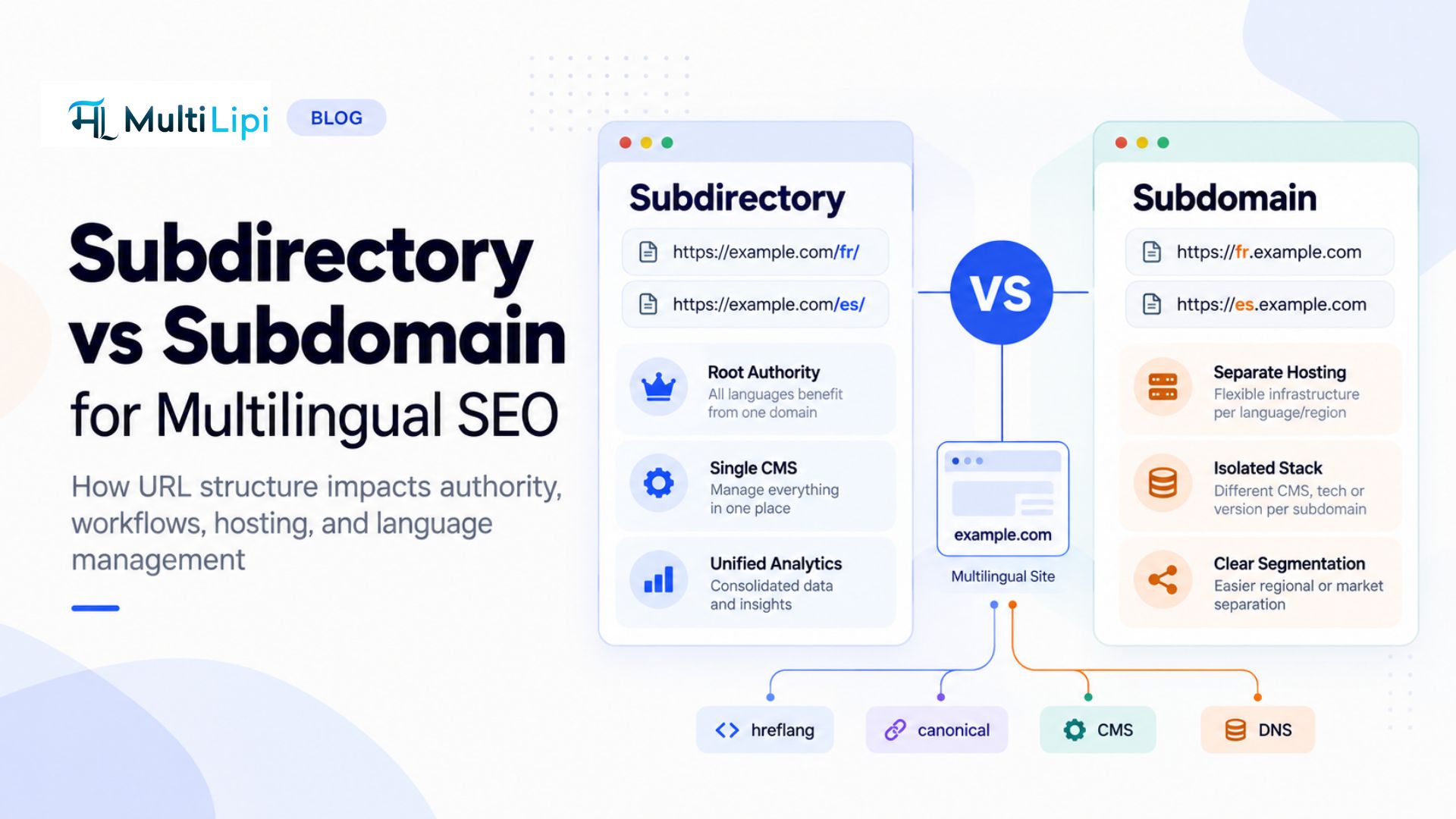
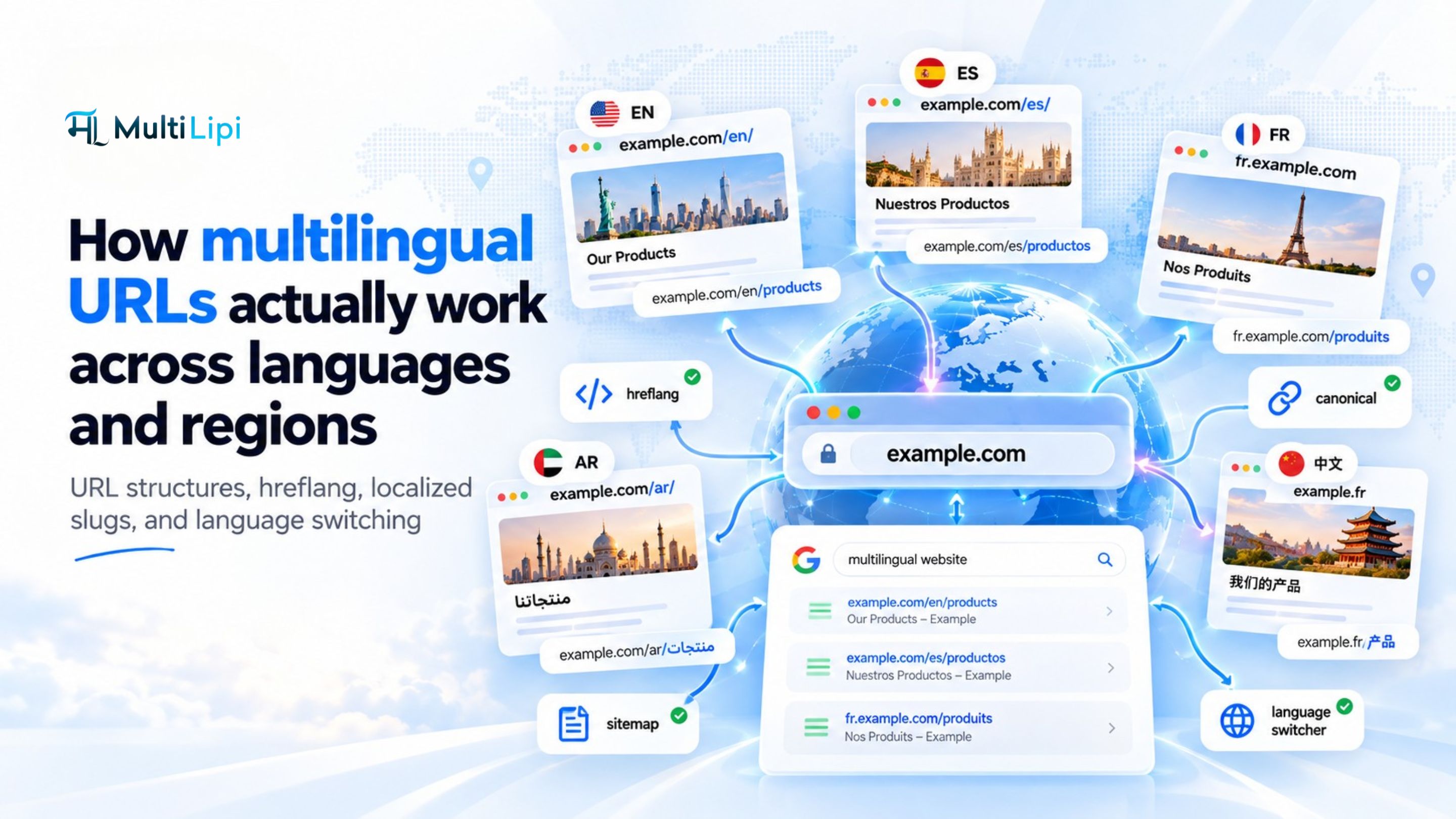
Dominoiaksesi tekoälyhakua maailmanlaajuisesti, sinun on siirryttävä peruskäännöstä pidemmälle. Tarvitset Monikielinen GEO, varmistaen, että metatiedot, skeemamerkintä, ja URL-rakenteilla on japanin kielessä täsmälleen sama semanttinen painoarvo kuin englannin kielessä.
Opi arkkitehtuurin rakentaminen oikein kattavissa oppaissamme:
Vuoden 2026 pelikirja: Kuinka optimoida tekoälyhakuun (GEO & AEO)
Jotta et menettäisi liikennettä ja voisit alkaa vangita korkean tarkoituksen AI-viittauksia, brändien on otettava käyttöön hybridistrategia, joka yhdistää Answer Engine Optimization (AEO) ja Generatiivinen optimointi (GEO). Tässä on toimintasuunnitelmasi:
Ota käyttöön BLUF-sisältöarkkitehtuuri
tekoälyindeksoijat ei ole aikaa lukea pitkiä, kertovia johdantojasi. Ne toimivat tiukkojen token-rajojen ja laskentakustannusten alaisina. Sinun on omaksuttava Ydinviesti ensin (BLUF) arkkitehtuuri.
- Käytä selkeitä, kysymyspohjaisia H2- ja H3-otsikoita
- Lisää jokaisen otsikon jälkeen välittömästi suora, faktapohjainen, 40–60 sanan vastaus
- Käytä luettelomerkittyjä listoja ja HTML-taulukoita vertailujen ja tilastojen esittämiseen
Ohjaa botteja llms.txt
Modernin HTML:n monimutkainen rakenne – täynnä JavaScriptiä, CSS:ää, ponnahdusikkunoita ja navigointivalikoita – luo "kohinaa", joka hämmentää tekoälyjärjestelmiä. Vuonna 2026 tekoälycrawlerien hallinnan nouseva standardi on llms.txt-tiedosto.
Tämä verkkotunnuksesi juureen (esim. yourwebsite.com/llms.txt) isännöity, pelkkää tekstiä oleva markdown-tiedosto toimii kuratoituna sivustokarttana yksinomaan tekoälyroboteille, kuten GPTBotille ja ClaudeBotille.
Luo llms.txt-tiedostosi →Ota käyttöön edistynyt monikielinen skeema
Jos llms.txt kertoo tekoälylle, mistä etsiä, Schema Markup (JSON-LD) kertoo tekoälylle, mihin se katsoo. Skeema on Knowledge Graphin natiivikieli.
Sinun on otettava käyttöön edistyneitä skeematyyppejä, kuten Organisaatio, FAQPage, Tuote ja Artikkeli. Tärkeämpää on, että jos toimit kansainvälisesti, skeemasi on käytettävä @language ja sameAs ominaisuuksia.
Optimoi "agenttihakuun"
Vuoteen 2028 mennessä Forrester ennustaa, että 90 % B2B-ostoista välittävät tekoälyagentit. Ostajat eivät enää vain pyydä tietoa; he antavat tekoälyagenttien käskyn "Etsi minulle toimittaja, joka täyttää X-vaatimuksen, sisältää Y-ominaisuuden ja maksaa alle Z."
Tämän "agenttisen" hakuaikomuksen vangitsemiseksi sisältösi on oltava hyper-spesifistä. Julkaise omaa dataa, alkuperäisiä tapaustutkimuksia ja läpinäkyviä hinnoittelutietoja. Tiedot, joita ei voi kaapia Wikipediasta, ovat ainoita tietoja, joilla on todellista "informaatiohyötyä" LLM:lle.
Vahvista tekninen SEO-perustasi
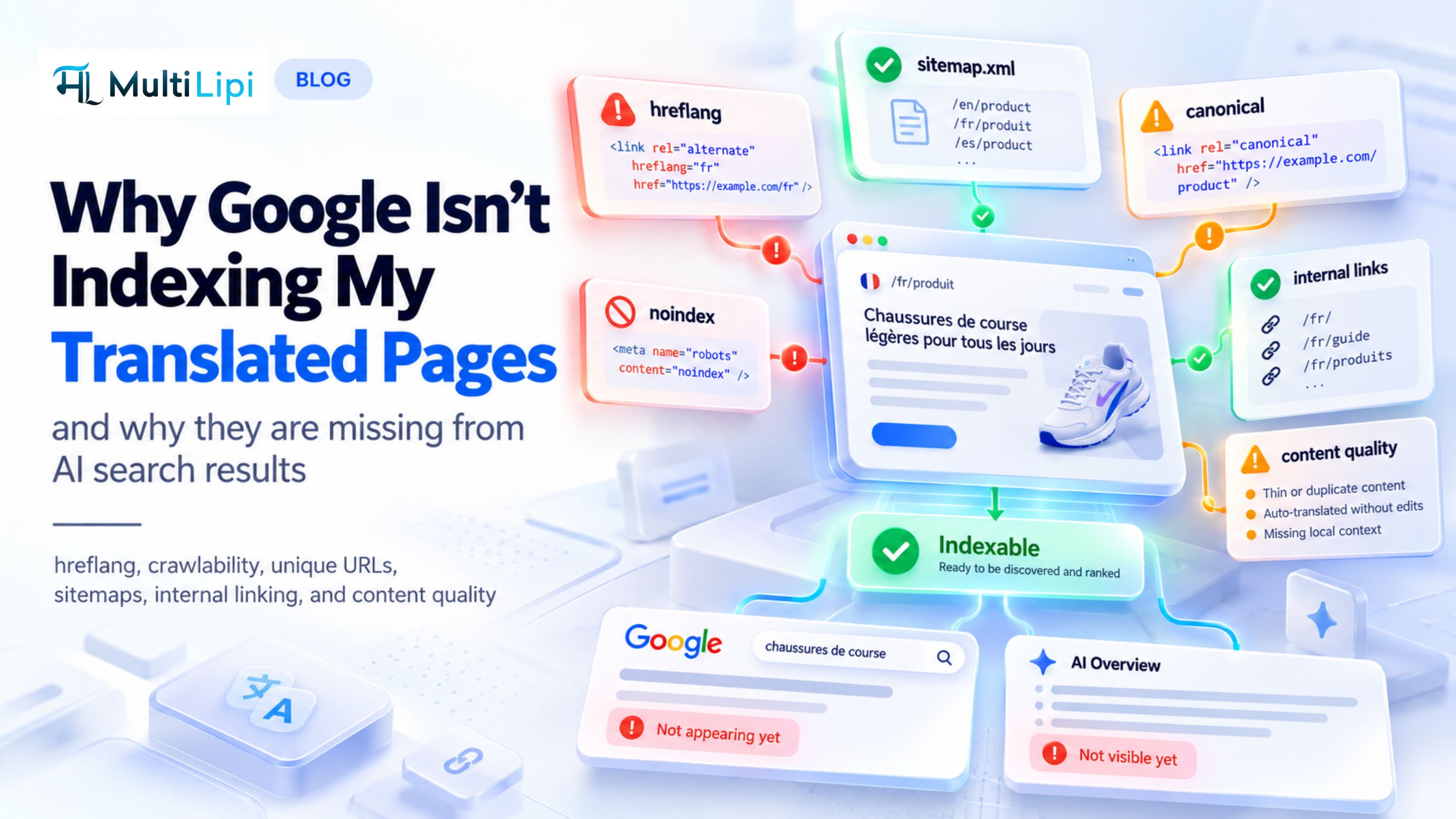
Tekoälyhakukoneet luottavat edelleen perinteisiin indeksointirobotteihin sisällön löytämiseksi. Jos sinun tekninen SEO on rikki, GEO-ponnistelusi ovat hyödyttömiä.
Varmista, että sivustosi nopeus on uskomattoman nopea, ja XML-sivukartat ovat moitteettomia, ja kansainvälinen hreflang-tagit ovat täydellisen vastavuoroisia. Yksi rikkoutunut hreflang-linkki voi saada tekoälyindeksoijan pudottamaan koko kansainvälisen sivustosi arkkitehtuurin.
Validoi Hreflang-asetukset →Johtopäätös: Sisällöntuottajasta auktoriteettiarkkitehdiksi
The 25 % lasku perinteisessä hakuliikenteessä ei ole virhe; se on internetin uusi ominaisuus. Aika kirjoittaa 2000 sanan avainsanoilla täytettyjä artikkeleita sinisen linkin voittamiseksi on virallisesti ohi.
Vuoden 2026 tekoälykeskeisessä maailmassa verkkosivustosi ei ole enää digitaalinen esite – se on strukturoitu datasyöte maailman tehokkaimmille älyjärjestelmille.
- •Avainsanoilla täytetty sisältö
- •Keskity sinisten linkkien klikkauksiin
- •Yleinen markkinointihöpinä
- •Kirjaimellinen käännös globaaleille sivustoille
- •Jäsennelty, faktapohjainen sisältö (BLUF)
- •Keskity tekoälyviittauksiin
- •Omat tiedot ja tapaustutkimukset
- •Semanttinen lokalisointi skeemalla
Oletko valmis tekemään verkkosivustostasi tekoälyvalmiin?
Ne brändit, jotka tarjoavat selkeimmät, jäsennellyimmät ja kulttuurisesti tarkimmat tiedot kaikilla kielillä, tulevat olemaan tulevaisuuden viitattuja ääniä.
Tee verkkosivustostasi koneluettava 5 minuutissa →Liity alan johtajien joukkoon, jotka hallitsevat generatiivisen haun maisemaa yli 120 kielellä