Olemme siirtyneet rakenteellisen epävakauden aikaan, jota alan analyytikot Gartnerilla ovat kutsuneet "Suureksi irtautumiseksi". Yli kahden vuosikymmenen ajan hakukoneiden ja sisällöntuottajien välinen sopimus oli yksinkertainen: me tarjoamme tiedon, ja he tarjoavat liikenteen. Se sopimus on kuollut.
🎯 Näkymättömyysaukko
Vuonna 2025 yli 60% Google-hauista päättyi ilman yhtäkään klikkausta verkkosivustolle – ilmiö, jota ajaa aggressiivinen käyttöönotto AI Overviews (AIO) jotka tyydyttävät käyttäjän tarkoituksen suoraan käyttöliittymässä.
Avainsanojen sijoitukset, SERP-sijoitukset, klikkausprosentit
Ääniosuus (SOV), attribuutio, brändimaininnat
Kansainvälisille brändeille: Ahdistus on entistäkin akuutimpi. Jos olet CMO tai perustaja, joka seuraa kansainvälisen orgaanisen liikenteesi katoamista, olet todennäköisesti "Näkymättömyysaukon" uhri – jossa brändisi pysyy täydellisesti indeksoituna Googleen, mutta tekoälyn hakujärjestelmät jättävät sen täysin huomiotta.
Perinteinen Monikielinen SEO– avainsanojen kääntäminen ja hreflang-tagien yhdistäminen – suunniteltiin "sinisten linkkien" maailmaan. Nykyään löytäminen tapahtuu suurten kielimallien (LLM) kautta, kuten ChatGPT, Gemini ja Perplexity. Nämä "vastausmoottorit" eivät välitä sijoituksestasi ensimmäisellä sivulla; ne välittävät siitä, onko sisältösi riittävän auktoritatiivista ja jäsenneltyä, jotta sitä voidaan käyttää määrittelevänä lähteenä generoidussa vastauksessa.
Keskeinen strateginen oivallus
In the Päättelyn talous, "klikki" on toissijainen mittari. Ensisijainen mittari on Ääniosuus (SOV) tekoälyvastauksissa. Jos tekoälymalli syntetisoi vastauksen kilpailijasi tiedoilla, olet menettänyt asiakkaan ennen kuin hän edes tiesi sinun olevan olemassa.
Entiteettien määrittely: Päättelytalouden arkkitehtuuri
Jotta voimme rakentaa strategian, joka selviää generatiivisen haun muutoksesta, meidän on ensin ymmärrettävä perustavanlaatuiset "entiteetit", jotka ohjaavat tekoälyn toimintaa. Suuret kielimallit eivät "lue" verkkosivustoja kuten ihmiset; ne jäsentävät ne käsitteiden ja suhteiden tietograafiksi.
Generatiivinen optimointi (GEO)
Sisällön strukturoinnin tekninen ja luova kurinalaisuus, jolla maksimoidaan sen todennäköisyys, että tekoälyalustat siteeraavat sitä. Kun SEO optimoi sijaintia varten, GEO optimoi attribuutiota varten. Tämä on MultiLipin GEO-kehyksen ydinfilosofia. MultiLipin GEO-kehyksen.
Retrieval-Augmented Generation (RAG)
Prosessi, jonka kautta tekoälymalli – kuten GPT-4 tai Claude 3.5 – kysyy reaaliaikaista verkkoa löytääkseen ajankohtaista tietoa ennen vastauksen generointia. Monikielisessä kontekstissa RAG-järjestelmät suorittavat kielirajat ylittävän tiedonhaun (CLIR).
Schema Markup (JSON-LD)
Koneellisesti luettava koodilohko, joka tarjoaa selkeät määritelmät sivun entiteeteille. Ajattele sitä "semanttisena sormenjälkenä". Globaalille brändille, monikielinen skeema on ainoa tapa varmistaa, että tekoälymalli tietää "Tuotteesi" espanjaksi olevan identtinen "Tuotteesi" kanssa englanniksi.
Tekninen infrastruktuuri: Valmistautuminen tekoälyrobottien indeksointiin
Ensimmäinen askel missä tahansa monikielisessä GEO-strategiassa on tekninen saavutettavuus. Jos tekoälyrobotti – kuten GPTBot tai OAI-Search – ei pysty jäsentämään käännettyjä sivujasi, et ole olemassa hakutuloksissa.
1. Palvelinpuolen renderöinnin (SSR) vaatimus
Katastrofaalinen virhe, jonka monet kansainväliset sivustot tekevät, on käyttää asiakaspuolen JavaScriptiä käännösten renderöintiin. Tekoälyrobotit ovat usein "laiskoja" indeksoijia; ne lukevat ensisijaisesti palvelimen palauttamaa staattista HTML:ää. Jos käännöksesi latautuvat sivun renderöinnin jälkeen, robotti näkee alkuperäisen englanninkielisen sisällön ja jättää käännetyn version huomiotta.
MultiLipi-ratkaisu: Alustamme hyödyntää Edge Network Delivery tarjotakseen välitöntä, esirenderöityä HTML:ää jokaiselle tekoälyagentille, varmistaen 100 % indeksoitavuuden.
2. Robots.txt ja "Cloudflare-este"
Viime aikoina monet CDN:t ovat alkaneet estää tekoälyhakukenttiä oletusarvoisesti "suojellakseen" kaistanleveyttä. Vaikka tämä säästää palvelinkustannuksia, se on kuolemantuomio tekoälynäkyvyydellesi. Sinun on tarkistettava robots.txt-tiedostosi varmistaaksesi, ettet estä niitä järjestelmiä, jotka voisivat mainita sinut.
Tarkista sivustosi kunto käyttämällä ilmaista Robots.txt-validaattoria nähdäksesi, piilotatko vahingossa itsesi haun tulevaisuudelta.
3. Hreflang: Globaalin tarkoituksen tekninen selkäranka
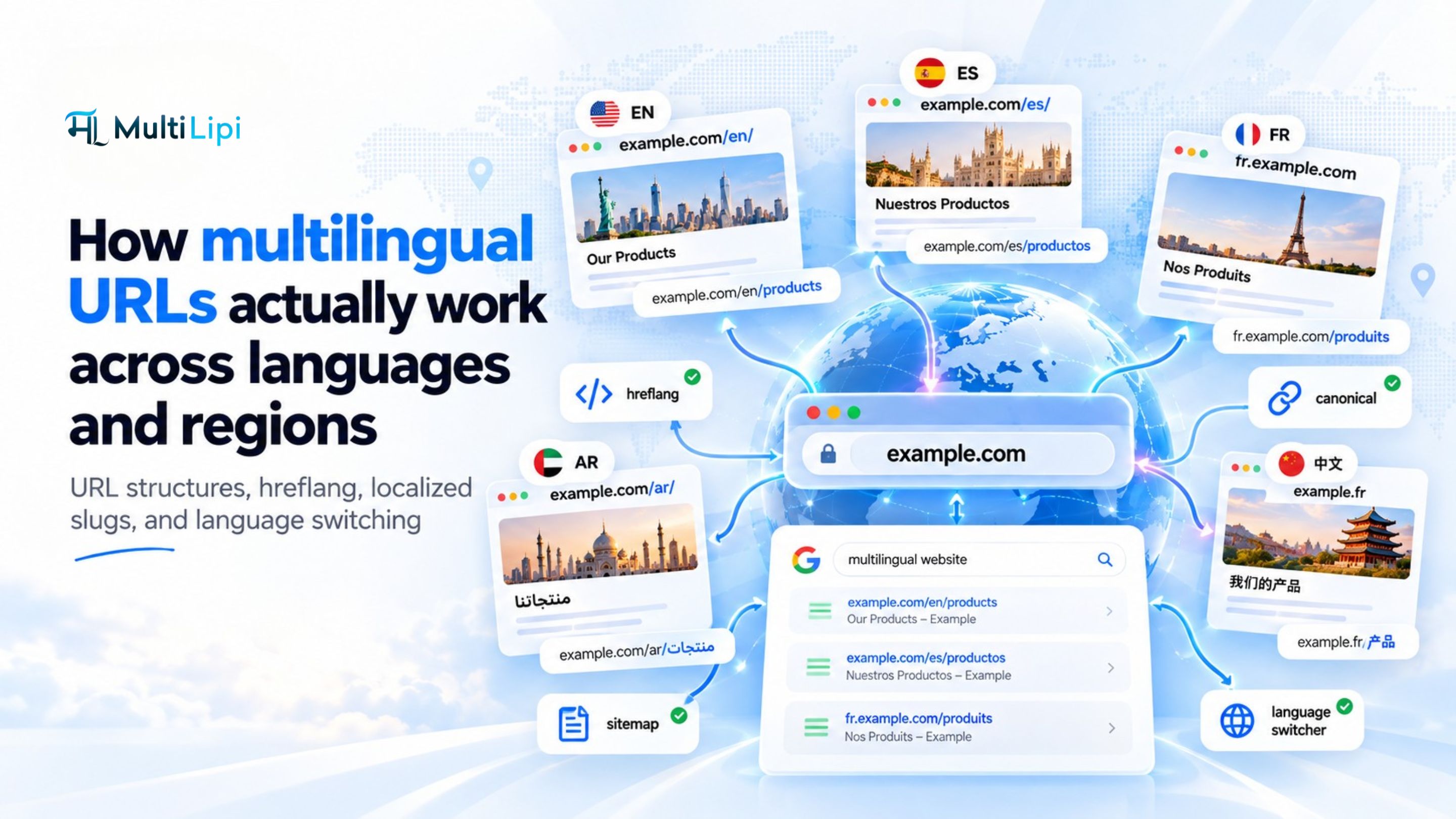
Perinteisessä SEO:ssa hreflang-tagit estämään päällekkäistä sisältöä. GEO-aikakaudella ne toimivat suhdekarttana. Ne kertovat LLM:lle: "Tämä ranskalainen sivu on tämän tietyn paikallisen alueen auktoritatiivinen versio."
Ilman tätä tekoäly, joka vastaa kyselyyn Berliinissä, saattaa mainita englanninkielisen sivusi, mikä johtaa hämmentävään käyttökokemukseen ja alhaisempiin konversioprosentteihin. Syvällisemmän toteutusoppaan löydät kattavasta oppaastamme: Hreflang-tagit ja tekoälyhakukoneet.
Semanttinen kartoitus: Siirtyminen avainsanoista tarkoitukseen
Yksittäisiin avainsanoihin kohdistamisen aikakausi on ohi. Nykyaikaista hakua ohjaa Vektori haku ja Luonnollisen kielen käsittely (NLP). Sen sijaan, että laskettaisiin, kuinka monta kertaa "SEO-työkalu" esiintyy sivulla, tekoälymallit arvioivat semanttisia hakuklustereita – toisiinsa liittyvien aiheiden verkostoa, joka osoittaa kattavan auktoriteettisi.
🎯 Aiheklusterit ja pilarimalli
Voittaaksesi generatiivisessa haussa sinun on "hallittava aihetta". Tämä sisältää:
Pilarisivu
Kattava, pitkä opas laajasta aiheesta (esim. "Globaali sisältömarkkinointi").
Klusterit (puolat)
Yksityiskohtaiset alasivut, jotka syventyvät tiettyihin alihakuihin (esim. "Lokalisoitu avainsanatutkimus Japanissa").
Kriittinen oivallus: Kansainvälisille brändeille tämä klusterointi on tehtävä kieltä kohden. Klusteri, joka toimii Yhdysvalloissa, ei välttämättä toimi Brasiliassa, koska hakutarkoitus on erilainen. Opi, kuinka auttoimme yliopistoa lokalisoinnissa: Katso tapaustutkimuksia.
Entiteetin täsmennys
Tekoälymallit kukoistavat selkeydessä. Jos sisältösi mainitsee "Apple", mallin on tiedettävä, tarkoitatko teknologiayhtiötä vai hedelmää. Käytä Skeemamaksimointi määrittääksesi brändisi, perustajasi ja tuotteesi tiettyinä entiteetteinä. Tämä "entiteettilinkitys" antaa tekoälylle varmuuden viitata teihin luotettavana lähteenä.
Lisätietoja tästä löytyy raportistamme: Avainsanoista entiteetteihin.
Sisältötekniikka tekoälyviittauksia varten: "Hyppyrimäki"-malli
Tekoälyviittausmallien tutkimus osoittaa, että kielimallit ovat erittäin ennustettavia lähdevalinnoissaan. Tutkimus 1,2 miljoonasta ChatGPT-vastauksesta paljasti, että 44.2% viittauksista on peräisin sivun ensimmäisestä 30% sisällöstä – rakenteesta, joka tunnetaan nimellä "Hyppyrimäki".
BLUF-kehys (Bottom Line Up Front)
Koneellisen poiminnan optimoimiseksi sinun on johdettava vastauksella.
Yhteenveto tekoälylle
Aloita jokainen sivu 2–3 lauseen kappaleella, joka vastaa suoraan ensisijaiseen tarkoitukseen.
Kysymyspohjaiset väliotsikot (H2)
Käytä otsikoita, jotka heijastavat keskustelupohjaisia kehotteita (esim. "Miten monikielinen hakukoneoptimointi toimii ChatGPT:n kanssa?").
Faktatiheys
Tekoälymallit priorisoivat sisältöä, jossa on tarkkoja numeroita, prosenttiosuuksia ja datapisteitä.
Asiantuntijan näkemys
"Tarpeettomiin sivuihin ei viitata." Jos käännetty blogikirjoituksesi on vain geneerinen uudelleenkirjoitus Wikipedia-artikkelista, tekoäly viittaa aina Wikipediaan sen sijaan. Sinun on tarjottava Informaatiovoitto—alkuperäistä tutkimusta, yrityssalaisuuksia tai ainutlaatuisia viitekehyksiä.
Vinkkejä korkealaatuisen sisällön luomiseen löydät täältä: Informaatiovoitto hakukoneoptimoinnin valuuttana.
Monikielinen GEO: Optimointi alustan vinoumiin
Kaikki tekoälymoottorit eivät ole samanlaisia. Strategiasi on räätällettävä kohdeyleisösi käyttämän tietyn alustan mukaan.
| Alusta | Ydinviittaussyvennys | Globaali lähdevalinta |
|---|---|---|
| ChatGPT | Wikipedia (47,9 %), Uutiset, Auktoriteetti | Korkea DA, vertaisarvioitu sisältö |
| Hämmennys | Reddit (46,7 %), Uutuus, Yhteisö | Reaaliaikainen verkko, Foorumikeskustelut |
| Gemini | Google Knowledge Graph, E-E-A-T | Viralliset brändilähteet, Paikallisen yrityksen tiedot |
| Claude | Tekninen tarkkuus, Konservatiivinen sävy | Virallinen dokumentaatio, Tieteellinen data |
Globaalille brändille tämä tarkoittaa, että tarvitset hajautetun jalanjäljen. Tarvitset brändimainintoja paikalliskielisillä aliredditeillä (Perplexitylle) ja auktoritatiivisilla paikallisilla uutisviittauksilla (ChatGPT:lle). Tämä on "Luotettava ratkaisu", jonka tarjoamme osoitteessa MultiLipi: hallinnoimme löydettävyysinfrastruktuuriasi, jotta sinut mainitaan kaikkialla.
Monikielisen SEO:n tiekartta 2026: Vaiheittainen kehys
CMO:ille, jotka ovat valmiita saamaan näkyvyytensä takaisin, suosittelemme seuraavaa viisivaiheista siirtymäsuunnitelmaa:
Vaihe 1: Sisällön tiheysauditointi
Ennen kuin voit optimoida, sinun on tiedettävä, mitä sinulla on. Tarkista koko kansainvälinen jalanjälkesi tunnistaaksesi, mitkä markkinat ovat "ohueita" ja alttiita tekoälyliikenteen menetykselle.
🛠️ MultiLipi SanamäärätyökaluVaihe 2: Teknisten signaalien varmistus
Varmista, että kieliversiosi on kartoitettu oikein. Jos hreflang-asetuksesi on rikki, tekoälymallit fragmentoivat auktoriteettisi sivustosi eri versioiden välillä.
🛠️ MultiLipi Hreflang-tarkistajaVaihe 3: Entiteettipohjainen uudelleenjärjestely
Tarkista parhaiten menestyneet kansainväliset sivusi. Johdatko vastauksella? Onko brändisi määritelty JSON-LD:ssä? Järjestele sisältösi uudelleen BLUF-mallin avulla tehdäkseen siitä "sitaattikelpoisen".
Vaihe 4: Tietohyödyn lokalisointi
Lopeta kirjaimellisten käännösten tekeminen. Mukauta sisältösi paikallisiin kulttuurillisiin vivahteisiin varmistaen, että tarjoat "uutta" tietoa, jota ei ole saatavilla muualla kyseisellä kielellä.
🛠️ MultiLipi Globaali kontekstimoottoriVaihe 5: Tekoälyn näkyvyyden seuranta
Lopeta Google Search Consolesta ainoana totuuden lähteenäsi pitäminen. Sinun on seurattava äänen osuuttasi ChatGPT:ssä ja Perplexityssä.
🛠️ Katso tapaustutkimuksemmeMenestyksen mittaaminen: Uudet KPI:t globaaleille brändeille
GEO-aikakaudella "istunto" on turhamainen mittari. Jos käyttäjä saa tarvitsemansa vastauksen tekoälykatkelmasta, joka mainitsee brändisi, olet voittanut tietoisuuden taistelun ilman klikkausta.
Viittaustiheys
Kuinka usein ChatGPT mainitsee brändisi "how-to"-kyselyissä omalla erikoisalallasi?
Brändin tunnesävyjen tarkkuus
Miten LLM kuvaa tuotettasi? Onko se tarkka vai hallusinoiko se?
Kehotteesta konversioon
Tekoälyhaun klikkaukset ovat korkeamman aikomuksen omaavia. Käyttäjä, joka klikkaa viittausta, on jo käynyt läpi tutkimusvaiheen.
Johtopäätös: Päättelyn talouden hallinta
Suuri irtautuminen" ei ole loppu; se on uusi alku brändeille, jotka uskaltavat kehittyä. Tulevaisuus kuuluu niille, jotka näkevät verkkosivustonsa eivät kokoelmana sivuja, vaan Monikielisenä tietopankkina koneellista päättelyä varten optimoituna.
Yhdistämällä teknisen tarkkuuden MultiLipi:n monikielisestä SEO-alustasta keskittymällä tiedonhankintaan ja entiteettien auktoriteettiin, voit siirtyä "sinisen linkin" ohi ja tulla pysyväksi osaksi globaalia tekoälykeskustelua.
Aloita GEO-matkasi tänään
Älä anna brändisi joutua nollaklikkausten aikakauden uhriksi. Aloita matkasi generatiivisen hakukoneoptimoinnin (GEO) parissa tänään ja valtaa takaisin kansainvälinen näkyvyytesi 120+ kieltä tulevaisuudessa.
Usein kysytyt kysymykset (UKK)
Onko perinteinen monikielinen SEO kuollut?
Ei, mutta se ei ole enää perimmäinen tavoite. Perinteinen SEO tarjoaa "indeksoinnin", jonka avulla tekoälymallit löytävät sisältösi. GEO on sen päälle rakennettu kerros, joka varmistaa, että sinut mainitaan, kun sinut on löydetty.
Miten MultiLipi auttaa tekoälyviittauksissa?
MultiLipi ei pelkästään käännä tekstiä; se jäsentelee sen. Lisäämme automaattisesti lokalisoidun JSON-LD:n, hallitsemme hreflang-suhteita ja varmistamme, että sisältösi toimitetaan nopean Edge Network -verkon kautta, jota tekoälybotit voivat helposti indeksoida.
Onko sanamäärällä merkitystä tekoälyhaule?
Tekoälymallit suosivat "tosiasiapitoisuutta" pelkän pituuden sijaan. 500 sanan julkaisu, joka sisältää ainutlaatuista dataa, on GEO:n kannalta 10 kertaa arvokkaampi kuin 3 000 sanan julkaisu, joka koostuu yleisluontoisesta tekstistä.
Voiko tekoälyhaku todella ohjata myyntiä, jos klikkauksia ei ole?
Kyllä. Tämä on "nollaklikkauksen mahdollisuus". Tekoälymallit toimivat luotettvina neuvonantajina. Jos tekoäly suosittelee brändiäsi käyttäjälle, se rakentaa sellaisen luottamuksen tason, jota perinteinen mainonta ei voi saavuttaa. Kun kyseinen käyttäjä lopulta tekee klikkauksen, konversioaste on huomattavasti korkeampi.